

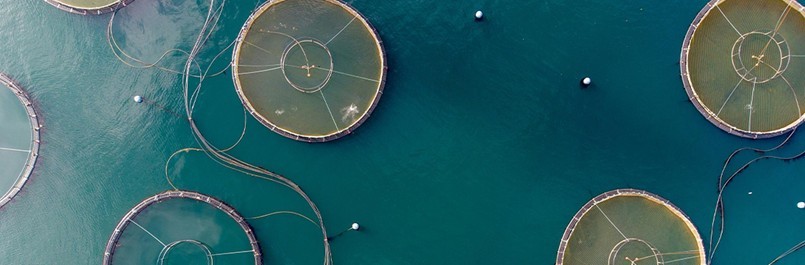
This course, “Ecosystemic Spatial Planning for Circular Aquaculture”, has been developed within the AZA4ICE project. It introduces an ecosystemic spatial planning approach for developing circular aquaculture in lagoons, lakes and close-to-coast waters, supporting the identification of Allocated Zones for Circular Aquaculture (C-AZA).
The course combines the theoretical concepts needed to understand circular aquaculture and ecosystemic spatial planning with practical guidance on applying the AZA4ICE methodology and its accompanying data analysis tool. Participants will learn how to assess site suitability, species suitability, IMTA performance and circularity, and how to interpret the resulting outputs to support planning and decision-making. The course concludes with real-life examples from AZA4ICE pilot sites, demonstrating how the methodology has been applied in different territorial and environmental contexts.
- Teacher: Konstantina Marousi

How can Mediterranean agriculture become more resilient while also contributing to climate action and creating new opportunities for farmers?
Carbon Farming in the Mediterranean takes learners on a journey from the foundations of carbon farming to its practical application in real farming systems. Through five interconnected modules, the course explores how regenerative agriculture and agroforestry can restore soil health, enhance biodiversity, strengthen climate resilience, and increase carbon sequestration.
Moving beyond theory, learners will discover how these approaches are being implemented across CARBON FARMING MED pilot farms, gaining insight into different farming systems, practices, and transition pathways under real Mediterranean conditions.
The course then opens the door to the economic and technical dimensions of carbon farming: how farmers can be rewarded for climate action, how carbon outcomes are monitored and verified through MRV (Monitoring, Reporting and Verification), and how standards and certification frameworks help ensure credible results.
Finally, learners will put these concepts into practice through the CARBON FARMING MED digital platform, exploring how key MRV steps can be digitalised and made more accessible.
By connecting soil, farming practices, climate action, carbon markets and digital tools, this course provides a practical pathway for understanding how carbon farming can move from concept to field, and from field to measurable impact.
- Teacher: Elma Porča
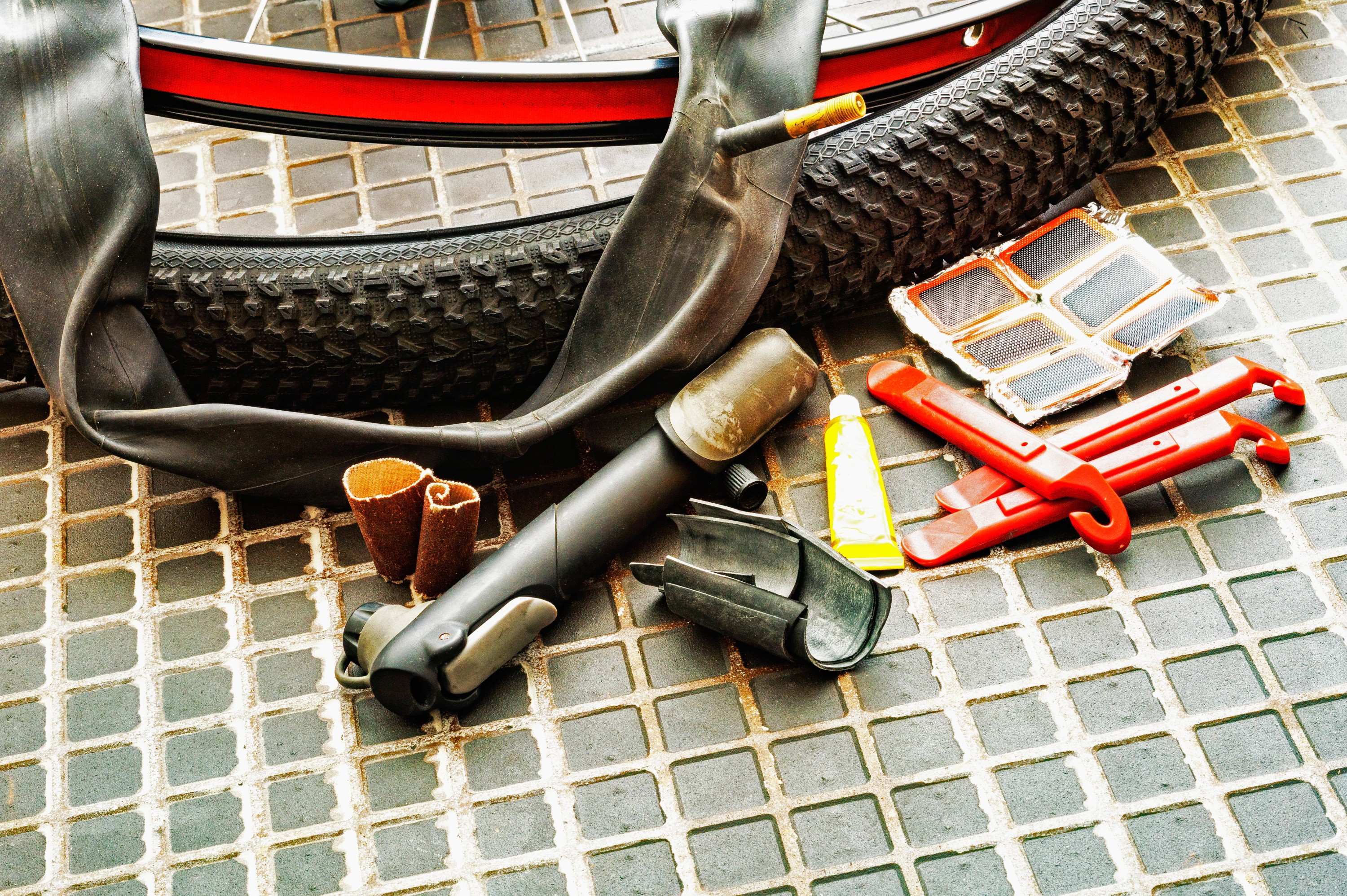
In this course we will talk about the new EU legislation about Right to Repair and his effects on culture, jobs and environment. We will also talk about the Ecodesign Directive, the Digital Product Passport and the world of repair in general.
This course born on the basis of the contents developed in the REPper (REPpair PERspective) project.
The REPPER project, funded by the Interreg Euromed program, aims to encourage product repair rather than purchasing new ones.
- Teacher: Laura sarotto
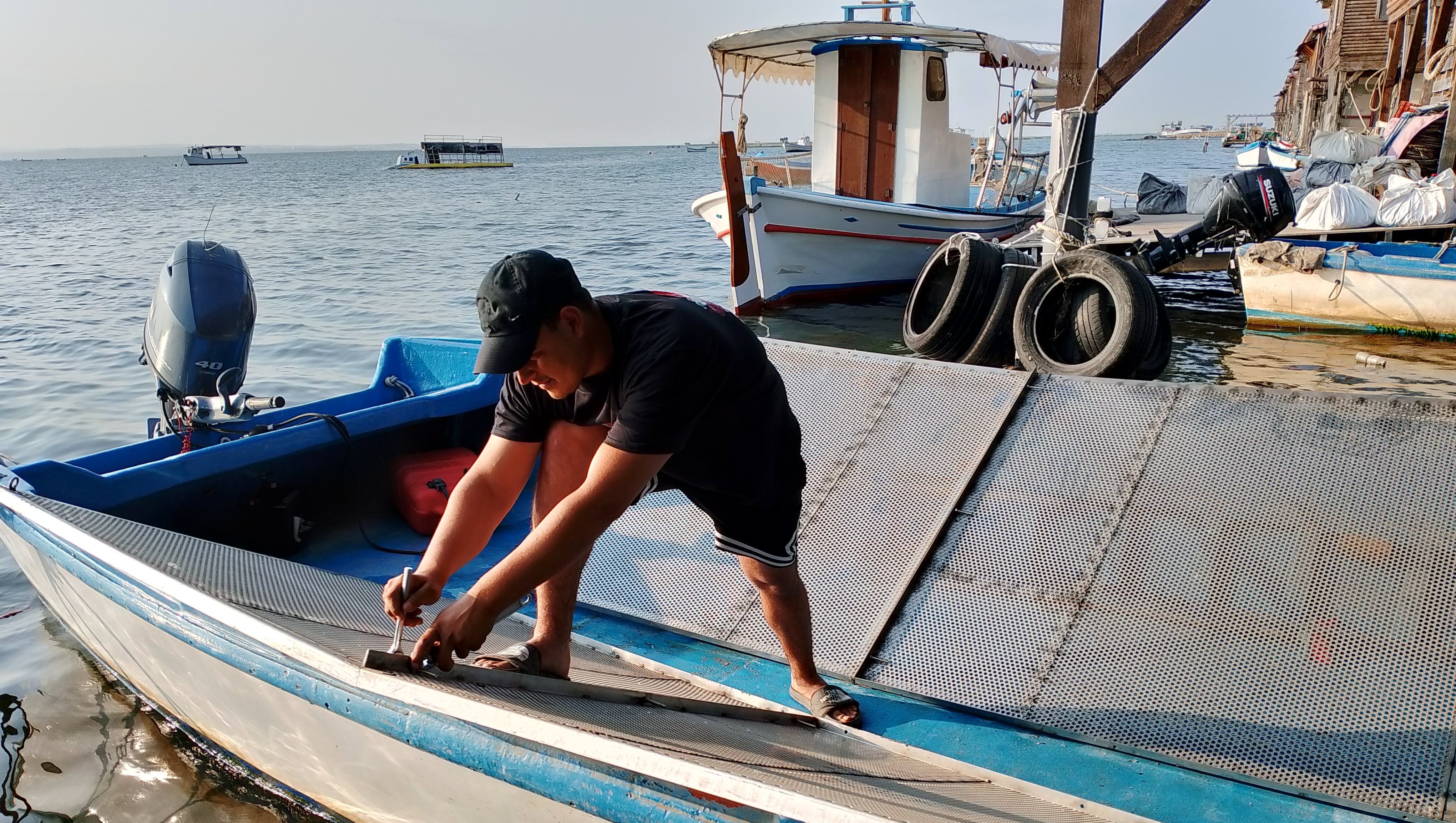
In the Mediterranean Sea, aquaculture solutions can help restore polluted waters and increase economic opportunities. In this module we will explore Mediterranean case studies, such as the growth of macroalgae, the removal of heavy metals in the port waters and the cultivation of sea cucumbers in Albania, Greece and Slovenia. We will also present our experience in formalizing collaborations between research and private operators.
- Teacher: Rigers Bakiu
- Teacher: Daniel Bosch Ibáñez
- Teacher: Amelia Canovas
- Teacher: Chrysa Efstratiou
- Teacher: Salomé La Ragione
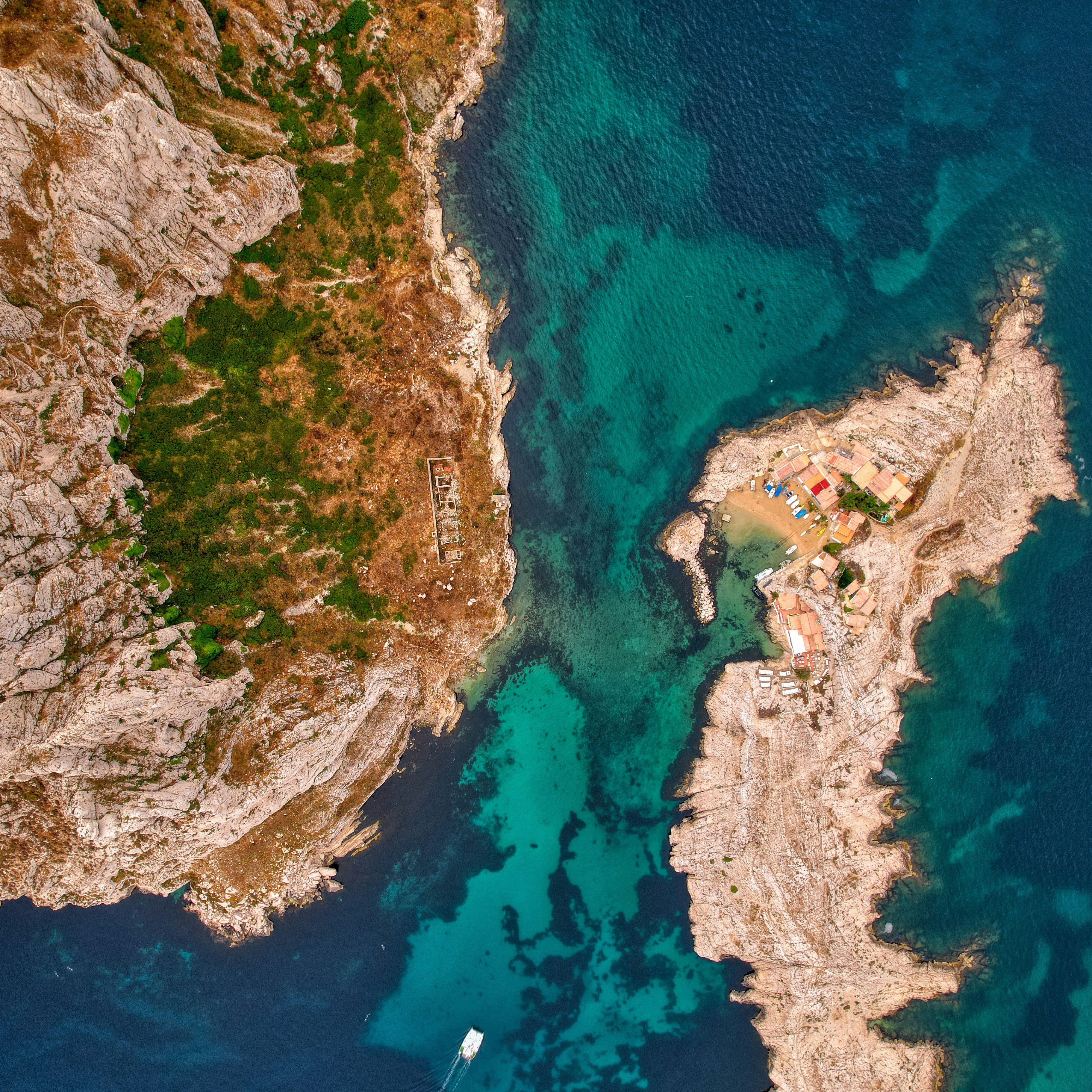
This MOOC is proposed by the Dialogue4Tourism project of the Euro MED programme, which aims to strengthen the coordination and institutional capacity of stakeholders to promote sustainable, intelligent and resilient tourism in the Euro-Mediterranean region.
In concrete terms, the MOOC will enable you to:
- ● Better identify projects, interesting results and best practices in sustainable tourism that can be shared between Mediterranean countries.
- ● Understand the conditions for effective sharing of project results, including mobilizing the actors who produced the results, establishing links with actors or institutions who could reuse and disseminate them, and the approaches that enable effective sharing of practices over the long term.
The modules will be published online from January to May 2026.
- Teacher: Georges Mercier
