

MED-GIAHS Network: protocols and tools
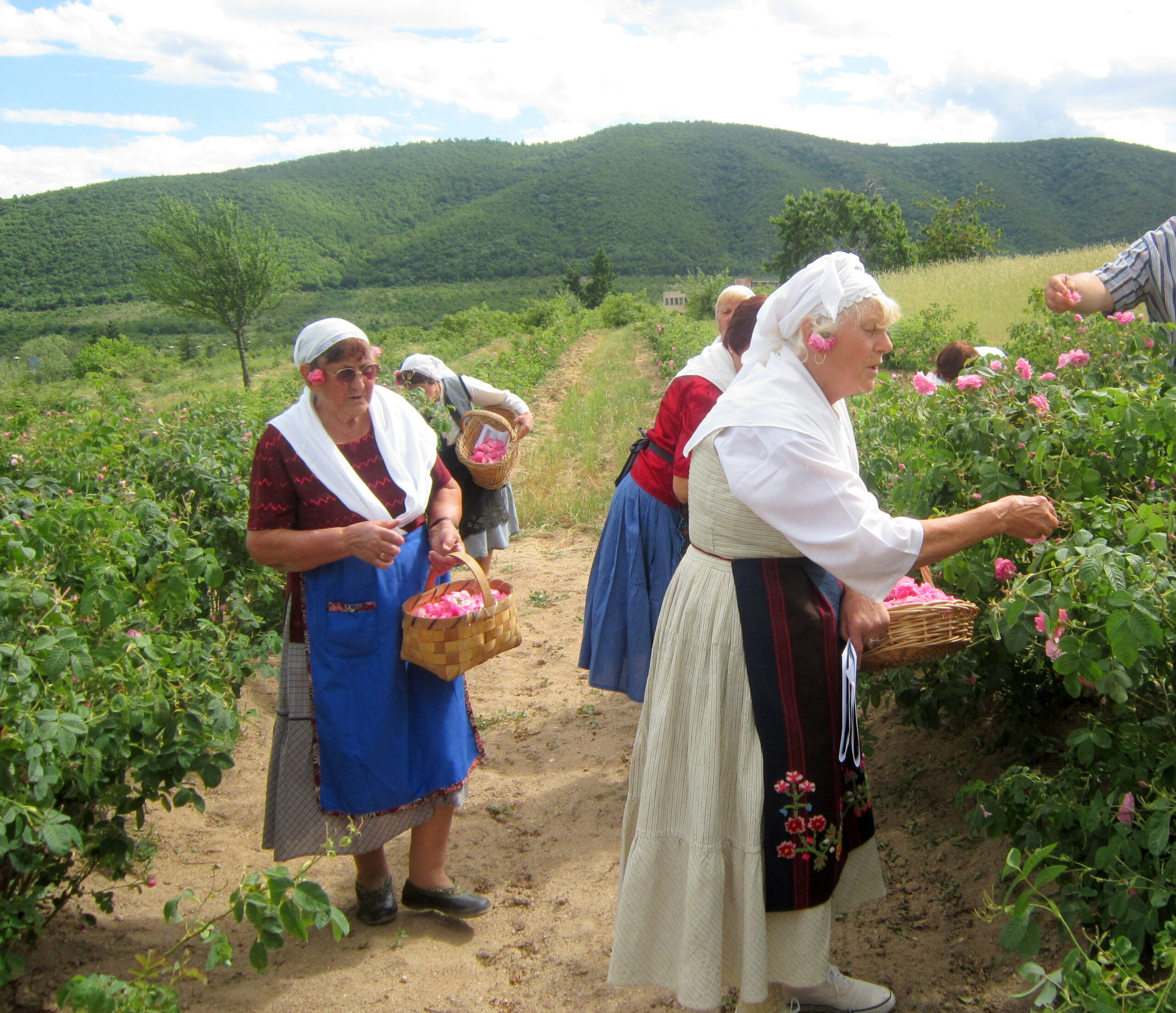
The MED-GIAHS network is a meeting place for cooperative learning aimed at agricultural heritage systems that want to promote sustainable tourism.
It is an integrated and joint solution to preserve GIAHS sites from threatening factors by a redefinition of tourism in a new more sustainable and innovative way that will contribute to creating more resilient livelihoods and diversify the income for local communities.
It includes:
- MED GIAHS network and protocol
- Strategy for sustainable agricultural tourism in MED GIAHS sites
- Joint guide for defining action plans
- Joint catalogue of sustainable agricultural tourism experiences
- Joint training plan
Project
MED-GIAHS 
Mission
Sustainable Tourism
Production year
2025
Type of result
Partnership/cooperation agreement
Target audience
Regional public authority, Sectoral agency, SME
Covered areas
Rural area
Keywords
Environmental and sustainability policy engagement, Sustainable territorial planning, Cultural heritage and arts, Eu tourism transition pathway, Governance, partnership
Partners
Andalusia Regional Ministry of Agriculture, Fisheries, Water and Rural Development
Issues addressed
The network addresses the lack of a common cooperation and governance framework for recognized, candidate and potential GIAHS territories in the Mediterranean. These territories face shared threats such as climate change, biodiversity loss, rural depopulation, low profitability and erosion of traditional knowledge, yet often act in isolation. The document responds by establishing the MED-GIAHS Network as a structured platform for mutual learning, strategic coordination, capacity building and sustainable tourism development linked to the dynamic conservation of agricultural heritage systems.
Added value of the result
Its added value lies in the integration of governance, strategy and operational tools within a single network framework. Rather than limiting itself to a declaration of intent, it connects a technical protocol, a sustainable tourism strategy, an action-plan guide, a joint catalogue and a joint training plan. This makes the network more actionable and useful for territories seeking to preserve agricultural heritage while generating economic and social benefits through sustainable tourism and inter-territorial cooperation.
Transferability potential
The networkhas high transferability because it defines a clear target group, shared objectives, governance rules and adaptable tools that can be used by recognized, candidate and potential GIAHS sites across the Mediterranean. Its implementation requires an operational Working Group, commitment from participating territories, annual coordination, willingness to share knowledge and the adaptation of the joint products to local conditions. Continued enlargement of the network, basic coordination resources and active stakeholder participation are essential for long-term implementation.
Contribution to SDGs
SDG 12 - Responsible consumption and production, SDG 15 - Life on land, SDG 8 - Decent work and economic growth
Contribution to the Strategies and EU Policies
EU Biodiversity Strategy, EU Circular Economy, EU Tourism Transition Pathway
Discover more related content
 Tool
 Methodology
 Methodology
 Strategy